The Philippines · Things to Know
Things to know before you go to the Philippines
What we learned island hopping for 27 days: entry rules, money and getting between islands.

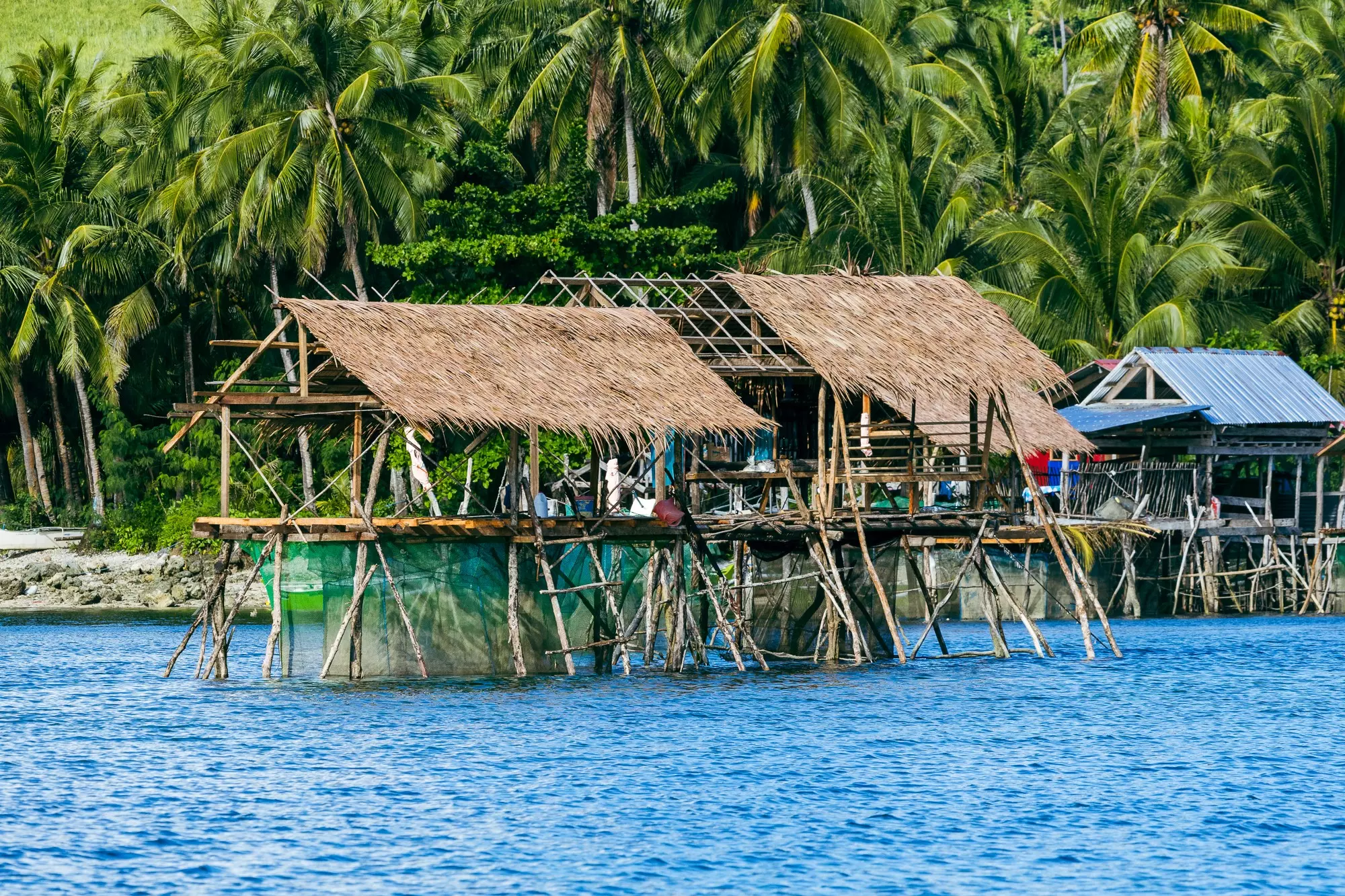
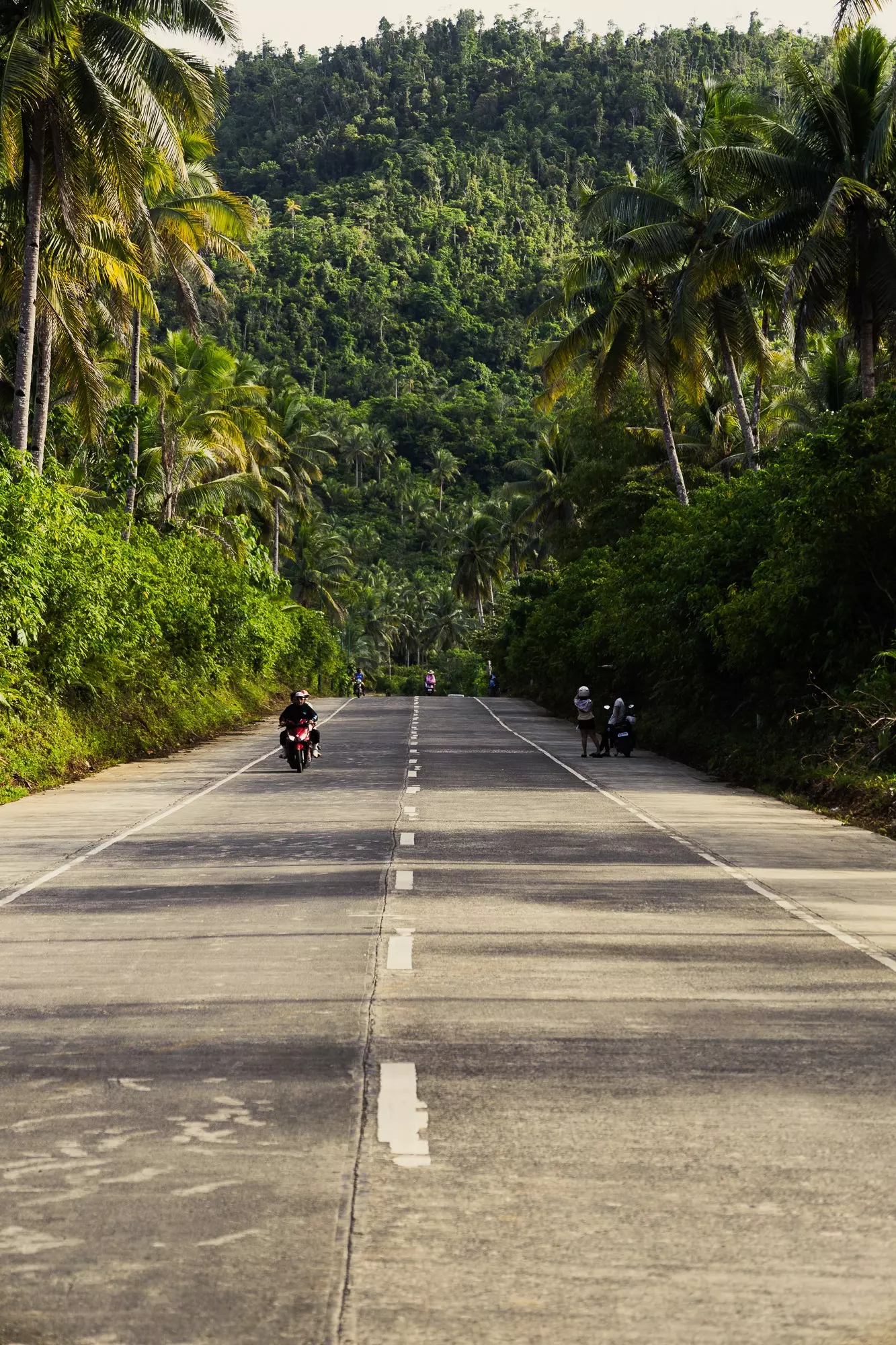
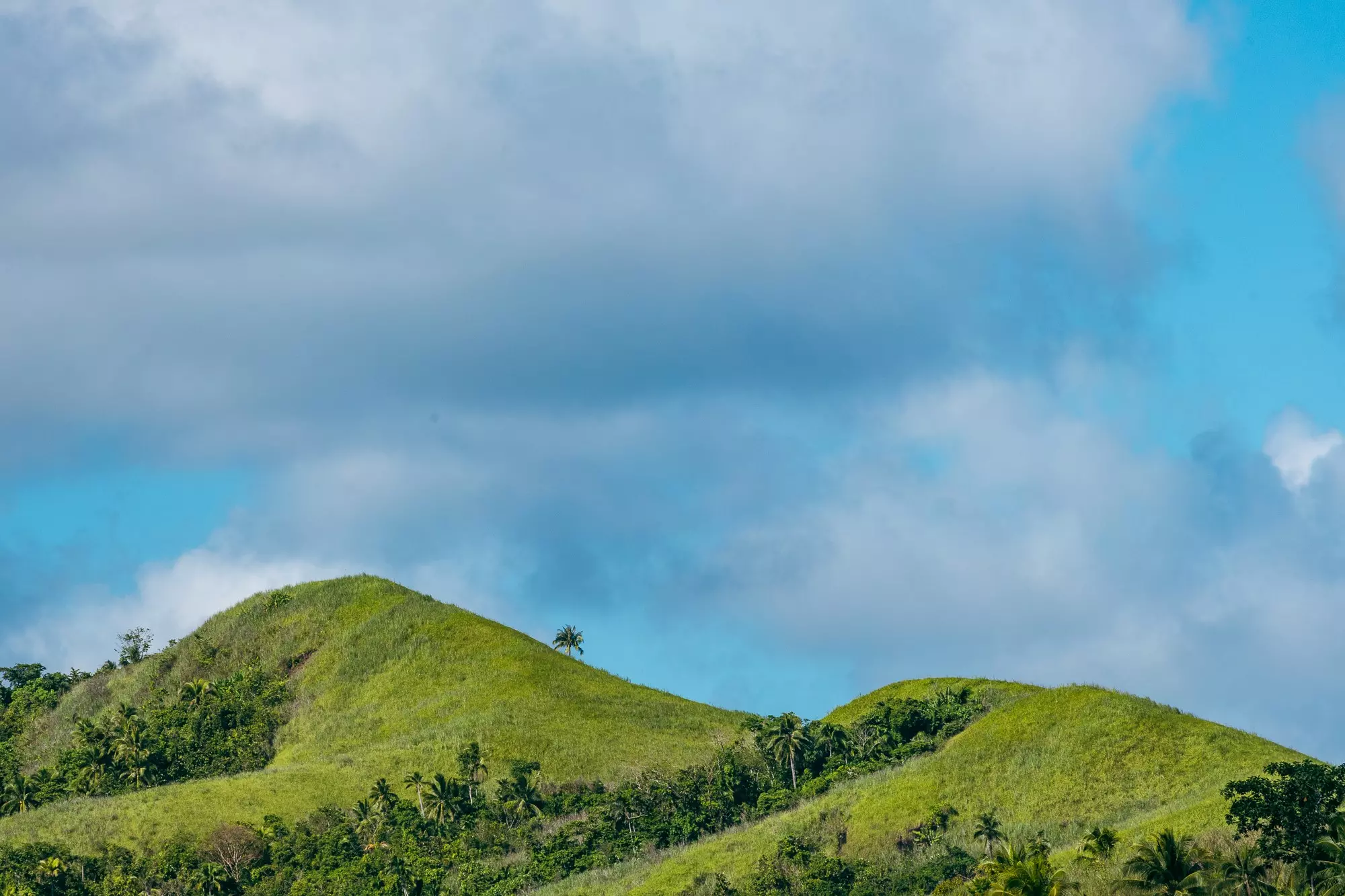
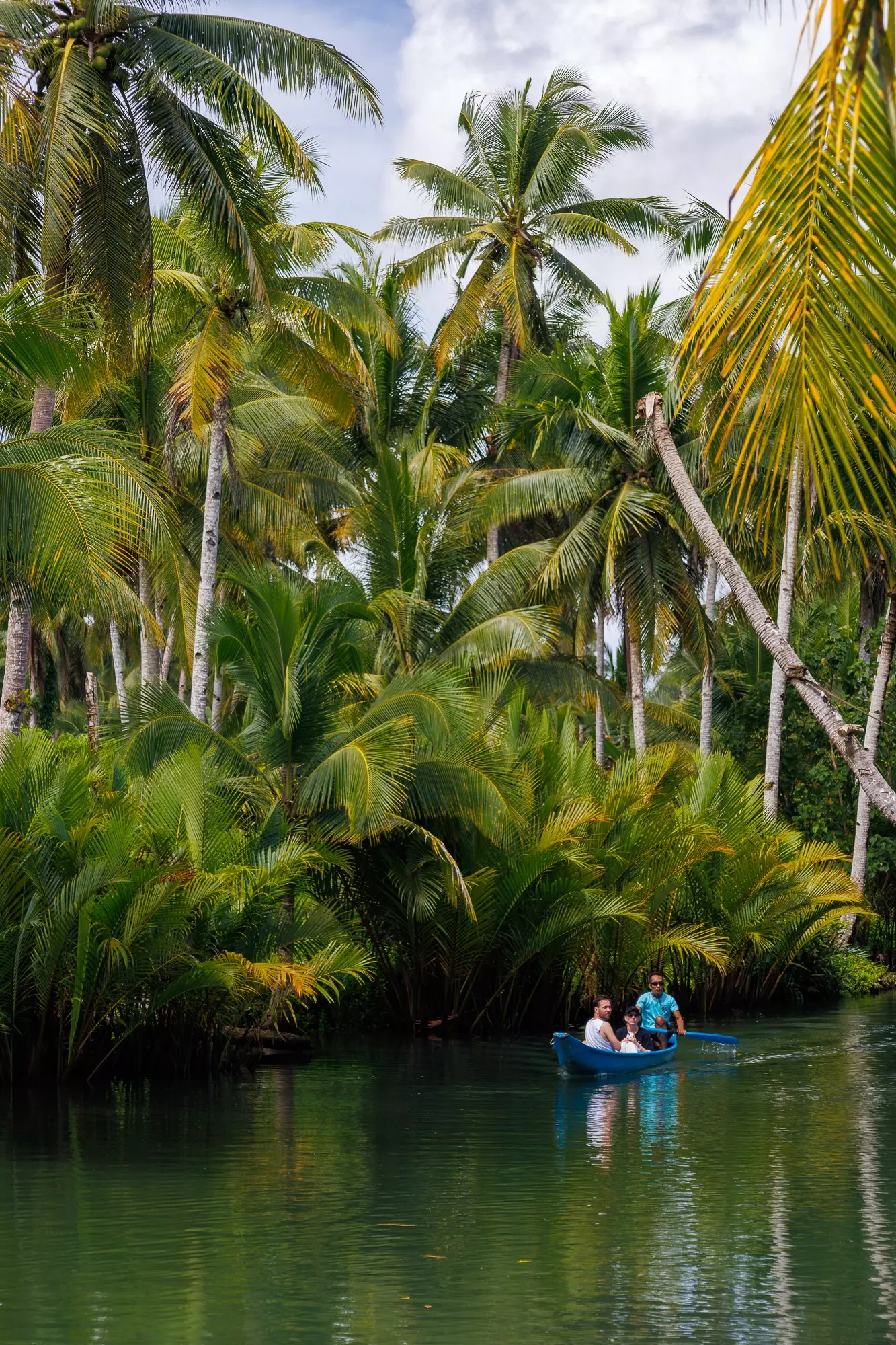
These are the practical things we'd tell a friend before a trip to the Philippines, based on our own route through Manila, Siargao, Cebu, Bohol and El Nido in spring 2024. Rules change, so check the official sites linked below before you travel.
Entry and eTravel
Every traveller has to register on the government's free eTravel system, and you can only do it within 72 hours of your arrival (and again before you leave). It costs nothing, so ignore any site asking for payment. UK passport holders can currently stay 30 days without a visa, which covered our 27 days, but check the GOV.UK entry requirements page before you book. For getting around Manila or Cebu City, the Grab app is the easiest way to book a car.
Time and weather
Philippine time is eight hours ahead of the UK in winter and seven hours ahead during British Summer Time. The dry season runs roughly from December to April, which is when we went, and the typhoon season usually runs from June to November. Drink bottled or purified water rather than tap water.
Getting between islands
Domestic flights save a lot of time on longer hops. We flew CebuGo from Siargao to Cebu and Air Swift from Bohol to El Nido, and took the ferry from Oslob to Bohol. Island tours use bangkas, the traditional outrigger boats, and tricycles are the cheap way to cover short distances on land. Allow a full day for each change of island.
Nature
The Philippines sits in the Coral Triangle, and you notice it as soon as you put your face in the water. Snorkelling the sardine run off Panagsama Beach in Moalboal, we had millions of fish swirling beneath us and sea turtles gliding through the shoals. On land, the Chocolate Hills in Bohol are worth the day trip, and it's easy to combine them with the tarsiers and a Loboc River cruise.
Money and tipping
The currency is the Philippine peso (₱). Carry small notes, because many smaller vendors and boat crews only take cash. Check restaurant bills for a service charge; if one is included, you don't need to add more. If it isn't, around 10% is appreciated, and a small tip of ₱20 to ₱50 for porters and boat guides is normal.
The people
People were friendly and helpful everywhere we went, and the staff at Kermit Resort in Siargao couldn't do enough for us. Karaoke is a big part of life, and if you're invited to join in, say yes. We spent a day doing karaoke with the locals in Oslob.
Also from the Philippines
More from this trip
Everything else we wrote from the same trip.
Back to
All of the Philippines
Photos, the trip in brief and every guide in one place.
Philippines weather this week